
Fuel Transition Scheme (PNG Push): Driving Papua New Guinea Toward a Cleaner Energy Future
Introduction
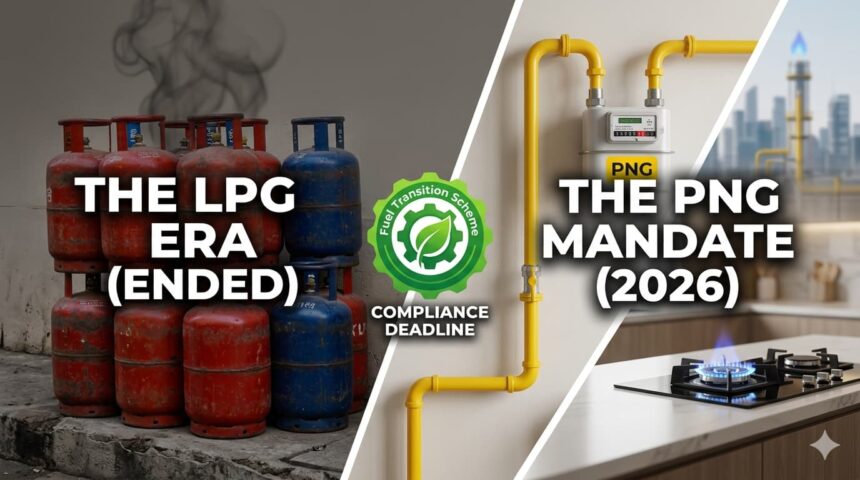
The Fuel Transition Scheme (PNG Push) is part of Papua New Guinea’s broader strategy to modernise its energy sector, reduce dependence on imported fossil fuels, and support a gradual shift toward cleaner, more sustainable energy sources. As global energy markets evolve and fuel prices fluctuate, PNG’s approach aims to improve energy security, affordability, and long-term environmental outcomes.
- Fuel Transition Scheme (PNG Push): Driving Papua New Guinea Toward a Cleaner Energy Future
- Introduction
- What Is the Fuel Transition Scheme (PNG Push)?
- Why PNG Needs a Fuel Transition Scheme
- Key Objectives of the PNG Fuel Transition Push
- 1. Energy Security
- 2. Cost Stabilisation
- 3. Cleaner Energy Adoption
- 4. Infrastructure Development
- 5. Economic Growth
- Potential Components of the Scheme
- Impact on Businesses and Consumers
- Environmental Considerations
- Challenges Facing the Fuel Transition Scheme
- Future Outlook
- Conclusion
This initiative reflects a growing recognition that fuel systems in developing economies must transition to more resilient and diversified models.
What Is the Fuel Transition Scheme (PNG Push)?
The Fuel Transition Scheme under the PNG Push framework is designed to support the gradual replacement or optimisation of traditional fuel systems with more efficient and sustainable alternatives.
While exact programme structures may vary depending on implementation stage, the scheme generally focuses on:
- Reducing reliance on imported petroleum fuels
- Improving fuel supply chain efficiency
- Supporting cleaner fuel alternatives (such as LNG, biofuels, or hybrid systems)
- Encouraging investment in energy infrastructure
- Stabilising fuel costs for businesses and households
At its core, the initiative is about balancing energy affordability, accessibility, and sustainability.
Why PNG Needs a Fuel Transition Scheme
Papua New Guinea faces unique energy challenges:
1. Geographic Complexity
PNG’s rugged terrain and dispersed population make fuel distribution expensive and logistically difficult.
2. Import Dependence
A significant portion of refined fuel is imported, exposing the economy to global price volatility.
3. High Transport Costs
Fuel transport across islands and remote regions increases end-user costs, especially in rural communities.
4. Infrastructure Gaps
Limited refinery capacity and storage infrastructure can create supply chain inefficiencies.
The Fuel Transition Scheme aims to address these structural issues through long-term reform.
Key Objectives of the PNG Fuel Transition Push
1. Energy Security
Strengthening domestic fuel resilience by diversifying supply sources and reducing external dependence.
2. Cost Stabilisation
Helping to reduce price volatility for consumers and industries by improving supply chain efficiency.
3. Cleaner Energy Adoption
Encouraging a shift toward lower-emission fuels and hybrid energy systems.
4. Infrastructure Development
Supporting upgrades in storage facilities, distribution networks, and fuel logistics systems.
5. Economic Growth
Improving energy reliability to support industries such as mining, agriculture, and transport.
Potential Components of the Scheme
Although implementation details may evolve, a fuel transition programme like PNG Push may include:
- Investment incentives for cleaner fuel technologies
- Public-private partnerships in energy infrastructure
- Subsidy restructuring for fuel pricing
- Expansion of LNG or alternative fuel use
- Pilot programmes for renewable energy integration
- Rural fuel accessibility projects
These measures collectively aim to modernise PNG’s energy ecosystem.
Impact on Businesses and Consumers
For Businesses
- More predictable fuel pricing
- Improved logistics and supply reliability
- Opportunities in energy infrastructure investment
- Transition costs in adopting new systems
For Households
- Potential stabilisation of fuel and transport costs
- Better access to fuel in remote areas
- Gradual shift toward cleaner household energy solutions
However, transitions of this scale typically involve short-term adjustment costs before long-term benefits are realised.
Environmental Considerations
A key driver of the Fuel Transition Scheme is environmental sustainability. Benefits may include:
- Reduced greenhouse gas emissions
- Lower air pollution in urban centres
- Improved alignment with global climate commitments
- Encouragement of renewable energy adoption
PNG’s rich biodiversity makes environmental protection a critical national priority, adding urgency to fuel reform efforts.
Challenges Facing the Fuel Transition Scheme
Despite its benefits, the PNG Push fuel transition faces several challenges:
- High upfront infrastructure costs
- Limited technical capacity in remote regions
- Market dependence on imported fuel systems
- Policy coordination across sectors
- Ensuring affordability during transition periods
Successful implementation will require strong governance and sustained investment.
Future Outlook
The Fuel Transition Scheme under PNG Push represents a long-term shift rather than an immediate change. Over time, Papua New Guinea is likely to see:
- Greater energy diversification
- Increased adoption of hybrid and renewable systems
- Improved fuel logistics and infrastructure
- More stable energy pricing mechanisms
If implemented effectively, it could become a cornerstone of PNG’s economic and environmental development strategy.
Conclusion
The Fuel Transition Scheme (PNG Push) reflects Papua New Guinea’s strategic move toward a more resilient and sustainable energy future. By addressing fuel dependency, infrastructure challenges, and environmental concerns, the initiative aims to reshape how energy is produced, distributed, and consumed across the country.
While challenges remain, the long-term benefits could significantly improve energy security, economic stability, and environmental outcomes for PNG.
If you want, I can also:
- optimise this for a specific keyword set (e.g. “PNG fuel subsidy”, “Papua New Guinea energy reform”)
- turn it into a landing page
- or create a shorter 500-word SEO version for faster ranking pages